October 27, 2026 will remain an important date for many Burundian families. On that day, the organization AIRD, in collaboration with the United Nations High Commissioner for Refugees (UNHCR), facilitated the voluntary repatriation of 153 Burundians from the Lusenda and Mulongwe camps in eastern Democratic Republic of the Congo.
After spending several years away from their country, these men, women, and children finally began their journey back to Burundi. Their return was more than a journey: it was a rebirth, a return to their land, their families, and their identity. UNHCR works to ensure that returns are voluntary, safe, and dignified.
For a long time, the repatriated families lived in the Lusenda and Mulongwe camps in South Kivu Province. There, they experienced exile, uncertainty, and separation from loved ones who remained in Burundi.
Yet, despite the difficult years, the hope of returning home never disappeared. Every family kept in their heart the desire to see their village again, to recover their land, their culture, and their loved ones. On October 27, 2026, that hope became reality.
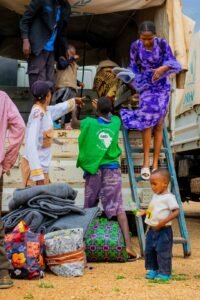
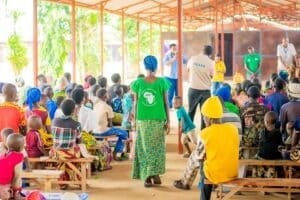
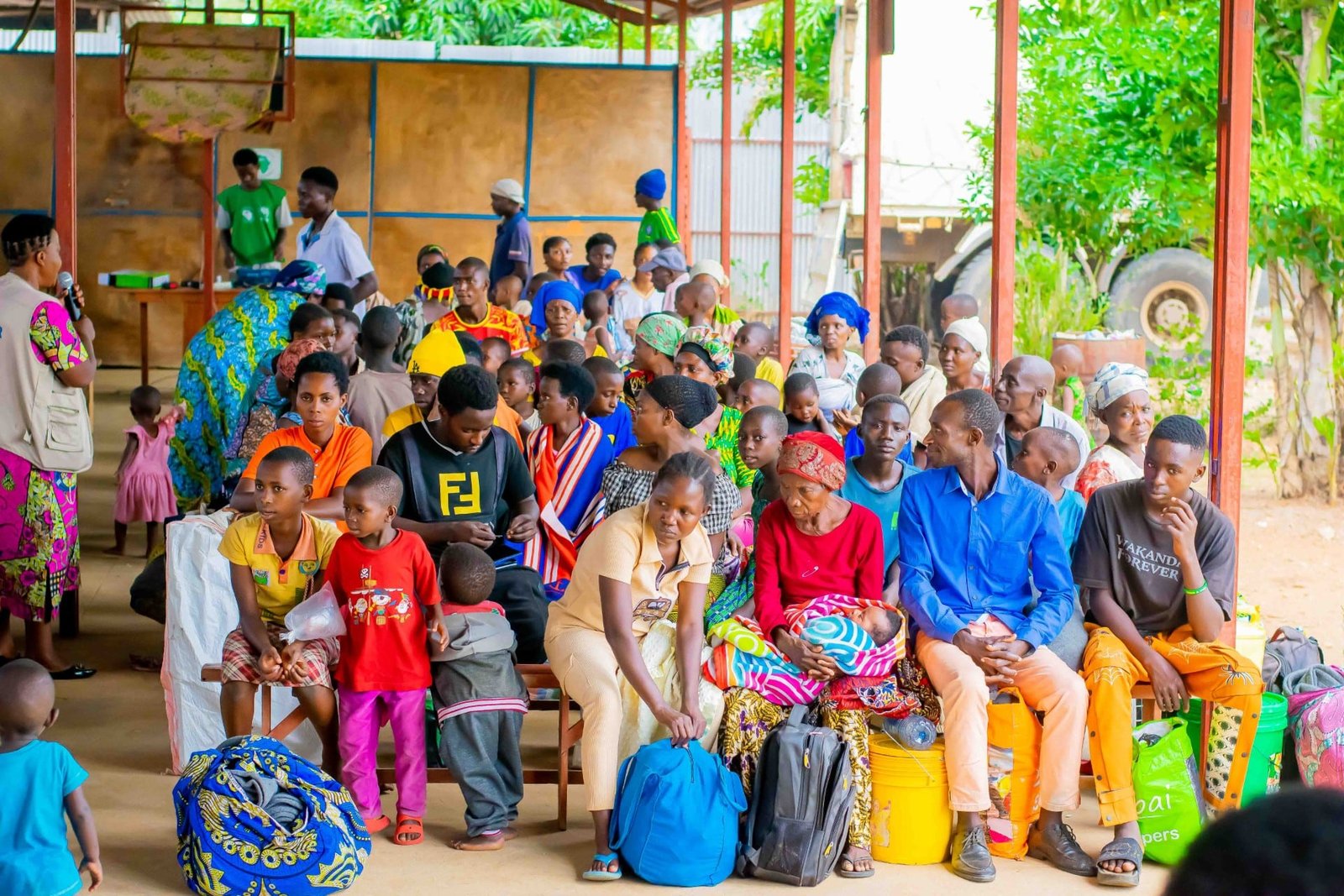
From the early hours of the day, there was great activity in the camps. AIRD and UNHCR teams welcomed families, checked the repatriation lists, provided the final information, and organized the loading of luggage.
Each suitcase carried far more than clothes or personal belongings. It held the memories of a life, the dreams of a return, and the hope of a better future. Children, parents, and elderly people prepared to leave a place that had been their refuge, in order to return to the place that had always remained their true home: Burundi.Then, the 153 Burundians left the Lusenda and Mulongwe camps. The convoy headed toward Burundi, carrying hearts full of emotion.
For some, it was the end of a wait that had lasted many years. For others, it was a return to a land they had barely known. But for all of them, this journey marked the beginning of a new chapter in their lives: one of rebuilding, reconciliation, and hope.
This repatriation was far more than the movement of people. It symbolized a people’s reunion with their land. Burundi welcomed its sons and daughters like a parent finally seeing their children again after many years of absence.
Joy, nostalgia, and hope could be seen on the faces of the returnees. Behind every family were stories of courage, patience, and resilience. Their return now opens the way for reintegration into their communities, the resumption of daily life, and the rebuilding of their future.
This operation was made possible through the collaboration between AIRD and UNHCR. AIRD managed the practical organization of the repatriation, while UNHCR supported the voluntary return process in line with its mandate to protect refugees.
Together, they ensured that every person could return in safety and dignity, with support throughout the journey. UNHCR emphasizes that voluntary repatriation must always be based on a free and informed choice by refugees.
The return of these 153 Burundians represents a great human and national victory. After years in exile, these families have returned to their homeland. Their return embodies hope, dignity, and the renewal of a people reconnecting with their roots.
October 27, 2026 marks not only the end of a journey. It opens the path to a new beginning for 153 families and reminds us of a simple truth: no one is ever truly far from home when the hope of returning remains alive.