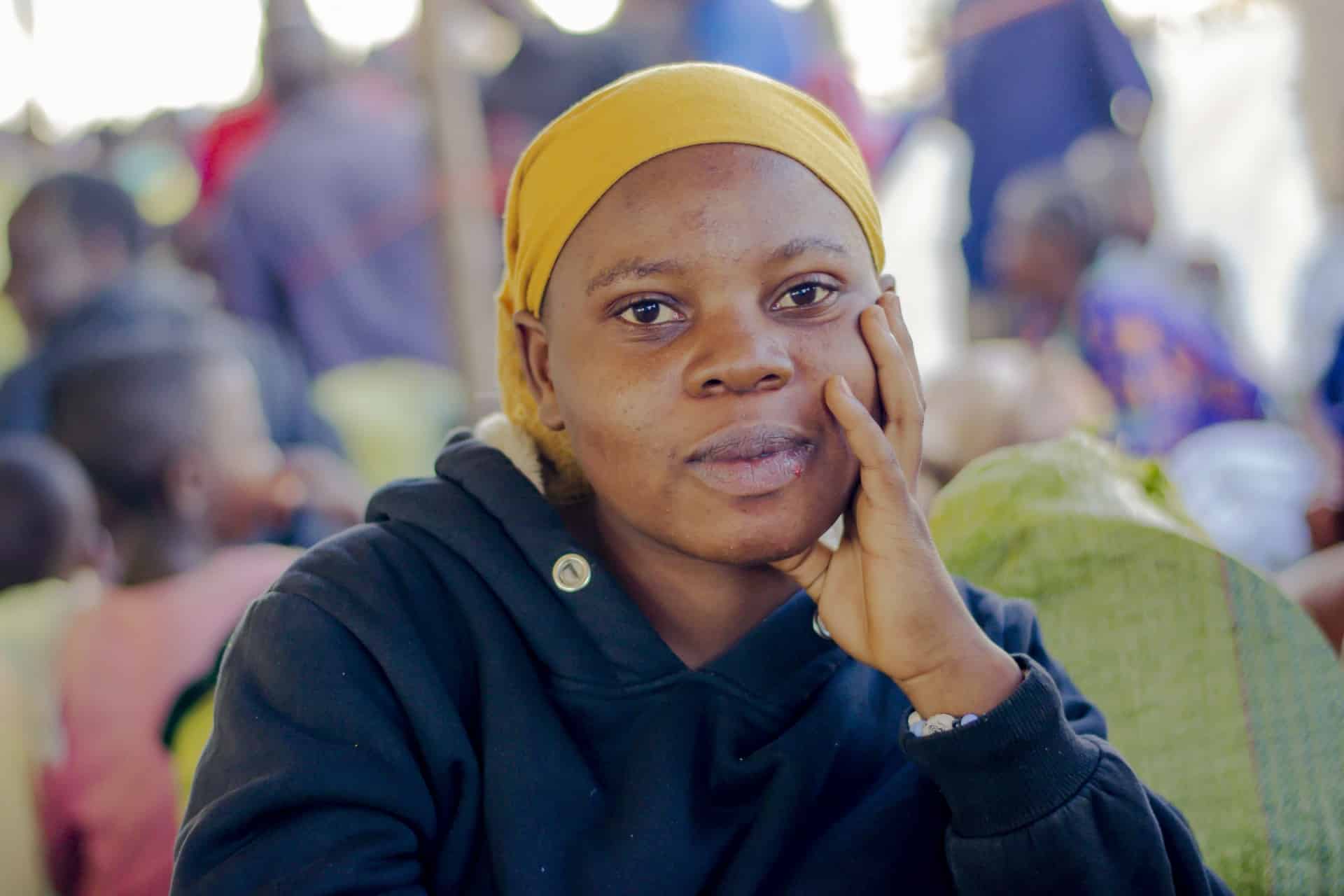
For Elisa ETO and her husband, Imani MILEMO, marriage began with joy and was quickly tested by conflict. Just one month after their wedding, violence in the Democratic Republic of Congo (DRC) forced the young couple to flee their home in December 2025, leaving behind family, stability, and the future they had just begun to build together.
They found safety at Busuma camp in Burundi’s Ruyigi zone, joining thousands of others displaced by the crisis. Life in the camp was uncertain, and for Elisa, who soon discovered she was pregnant, the challenges were even greater. Access to basic services, emotional strain, and the reality of raising a child far from home weighed heavily on the couple. Yet through it all, they held on to hope.
Months later, that hope has turned into a new beginning. In April 2026, Elisa and Imani became part of the first voluntary repatriation convoy returning to the DRC. Supported through coordinated efforts by UNHCR and AIRD, the journey home was made possible by safe, organized transport and dedicated logistical planning. For the couple, it marked not just a physical return but the restoration of dignity, belonging, and the promise of rebuilding their lives.
Now back on Congolese soil, Elisa looks ahead to the birth of their child with renewed optimism.
“God has made it possible my baby will be born in our homeland,” she says, her voice filled with relief and gratitude.
Their story is one of resilience in the face of disruption, and a powerful reminder of what humanitarian action makes possible. Through strong partnerships and committed logistics support, families like Elisa and Imani’s are not only returning home, they are reclaiming their future.
As more convoys are planned, their journey stands as a beacon of hope for thousands still waiting, proving that even when war interrupts life, hope can lead the way back home.