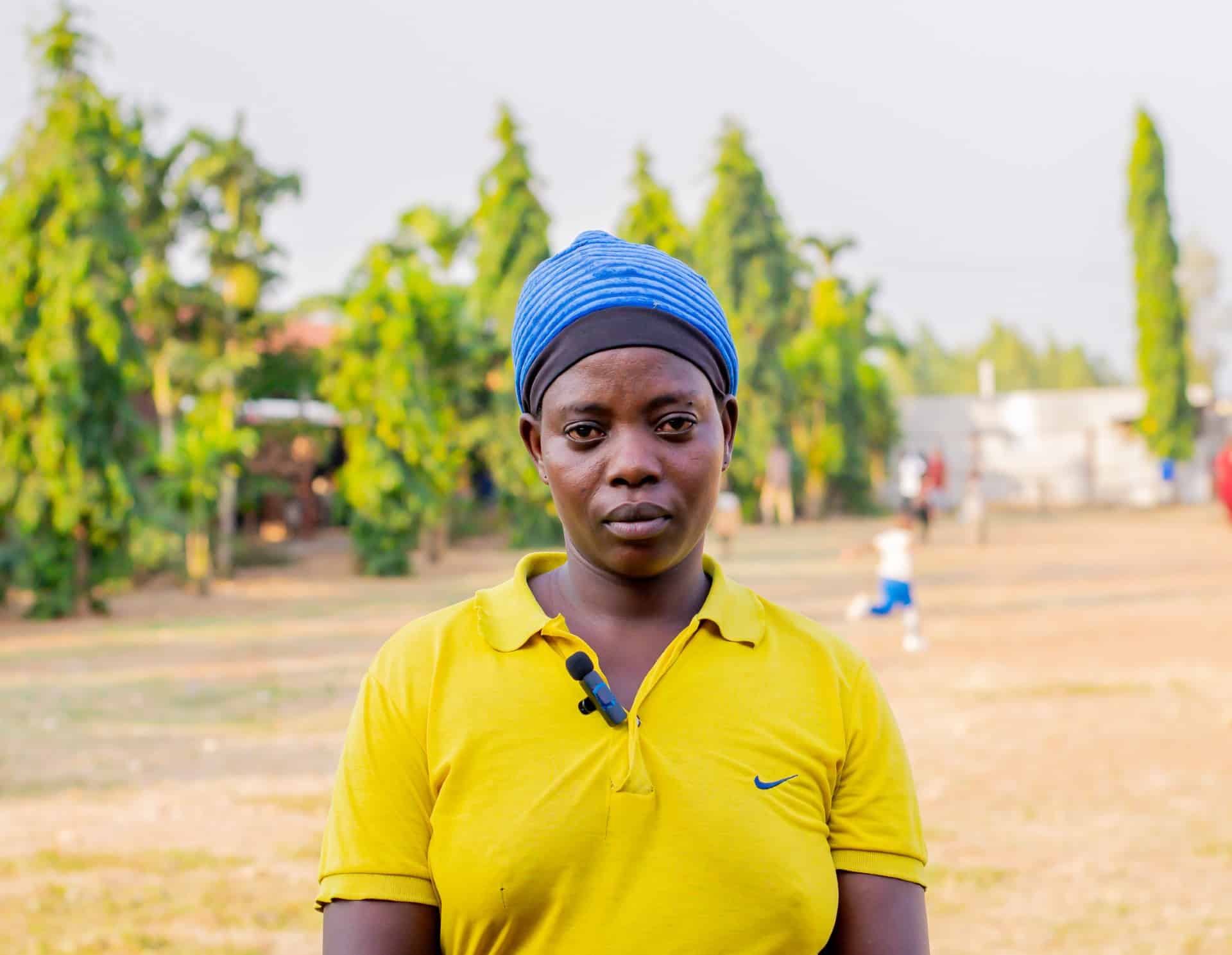
In 2015, having just tied the knot, Claudette Niyokindi and her husband saw their dreams for the future shattered by the uncertainties of the day. Forced to flee their native Burundi to save their lives, they embarked on a long journey of exile that led them to the Lusenda refugee camp in the Democratic Republic of Congo.
For ten long years, this mother of five raised her children there, haunted by the painful memory of a peaceful life that now seemed a distant memory. Faced with the precariousness of daily life, homesickness, and the constant fear of seeing her children’s future prospects vanish, bitterness and despair long held sway. Yet, amidst this ordeal where all seemed lost, international solidarity and the commitment of dedicated individuals rekindled the flame of hope. Thanks to the voluntary repatriation done by AIRD, the family was finally able to realize their long-awaited return to their ancestral land.
At the heart of this arduous return process, it was above all the humanitarian aid workers who made all the difference on the ground. Present every day, these dedicated organizations embodied far more than a simple administrative or logistical presence: they became an emotional pillar, a beacon of dignity, and a compassionate face in times of distress.
From the initial registration steps at the Lusenda camp to the meticulous organization of the journey, these organizations attended to every detail. “Whether it was distributing food, providing psychosocial support to grieving mothers, ensuring medical follow-up for the youngest children, or coordinating secure convoys between the DRC and Burundi, their synergistic work offered refugees the certainty of being heard and protected,” she says. Without this constant attention and unwavering empathy, the transition from camp life to the prospect of returning home would have been an insurmountable burden for Claudette, who sees these women as the true architects of her family’s rebirth.
Three months after her registration on the repatriation lists was finalized, reality has finally surpassed expectations: Claudette savors every moment spent at the Gihanga transit center, a crucial stage where her community reintegration is being organized. Surrounded by her husband and their five children, she watches with profound emotion as her family takes its first steps on Burundian soil. In this safe and welcoming environment, a sense of fulfillment she thought was gone forever is beginning to blossom within her once more. The eagerness to be reunited with her family and rebuild a decent life is accompanied by a deep thought for those who remained on the other side of the border, in the dust of Lusenda. With the fervent hope that her former companions in misfortune will soon receive the same support and invaluable assistance from these humanitarian workers, Claudette now moves forward into the future, her heart full of gratitude and her eyes fixed on rebuilding her home
In 2015, having just tied the knot, Claudette Niyokindi and her husband saw their dreams for the future shattered by the uncertainties of the day. Forced to flee their native Burundi to save their lives, they embarked on a long journey of exile that led them to the Lusenda refugee camp in the Democratic Republic of Congo.
For ten long years, this mother of five raised her children there, haunted by the painful memory of a peaceful life that now seemed a distant memory. Faced with the precariousness of daily life, homesickness, and the constant fear of seeing her children’s future prospects vanish, bitterness and despair long held sway. Yet, amidst this ordeal where all seemed lost, international solidarity and the commitment of dedicated individuals rekindled the flame of hope. Thanks to the voluntary repatriation program orchestrated by the United Nations High Commissioner for Refugees (UNHCR), in close partnership with the organization AIRD and a humanitarian network deployed on both sides of the border, the family was finally able to realize their long-awaited return to their ancestral land.
At the heart of this arduous return process, it was above all the humanitarian aid workers who made all the difference on the ground. Present every day, these dedicated organizations embodied far more than a simple administrative or logistical presence: they became an emotional pillar, a beacon of dignity, and a compassionate face in times of distress.
From the initial registration steps at the Lusenda camp to the meticulous organization of the journey, these organizations attended to every detail. “Whether it was distributing food, providing psychosocial support to grieving mothers, ensuring medical follow-up for the youngest children, or coordinating secure convoys between the DRC and Burundi, their synergistic work offered refugees the certainty of being heard and protected,” she says. Without this constant attention and unwavering empathy, the transition from camp life to the prospect of returning home would have been an insurmountable burden for Claudette, who sees these women as the true architects of her family’s rebirth.
Three months after her registration on the repatriation lists was finalized, reality has finally surpassed expectations: Claudette savors every moment spent at the Gihanga transit center, a crucial stage where her community reintegration is
being organized. Surrounded by her husband and their five children, she watches with profound emotion as her family takes its first steps on Burundian soil. In this safe and welcoming environment, a sense of fulfillment she thought was gone forever is beginning to blossom within her once more. The eagerness to be reunited with her family and rebuild a decent life is accompanied by a deep thought for those who remained on the other side of the border, in the dust of Lusenda. With the fervent hope that her former companions in misfortune will soon receive the same support and invaluable assistance from these humanitarian workers, Claudette now moves forward into the future, her heart full of gratitude and her eyes fixed on rebuilding her home