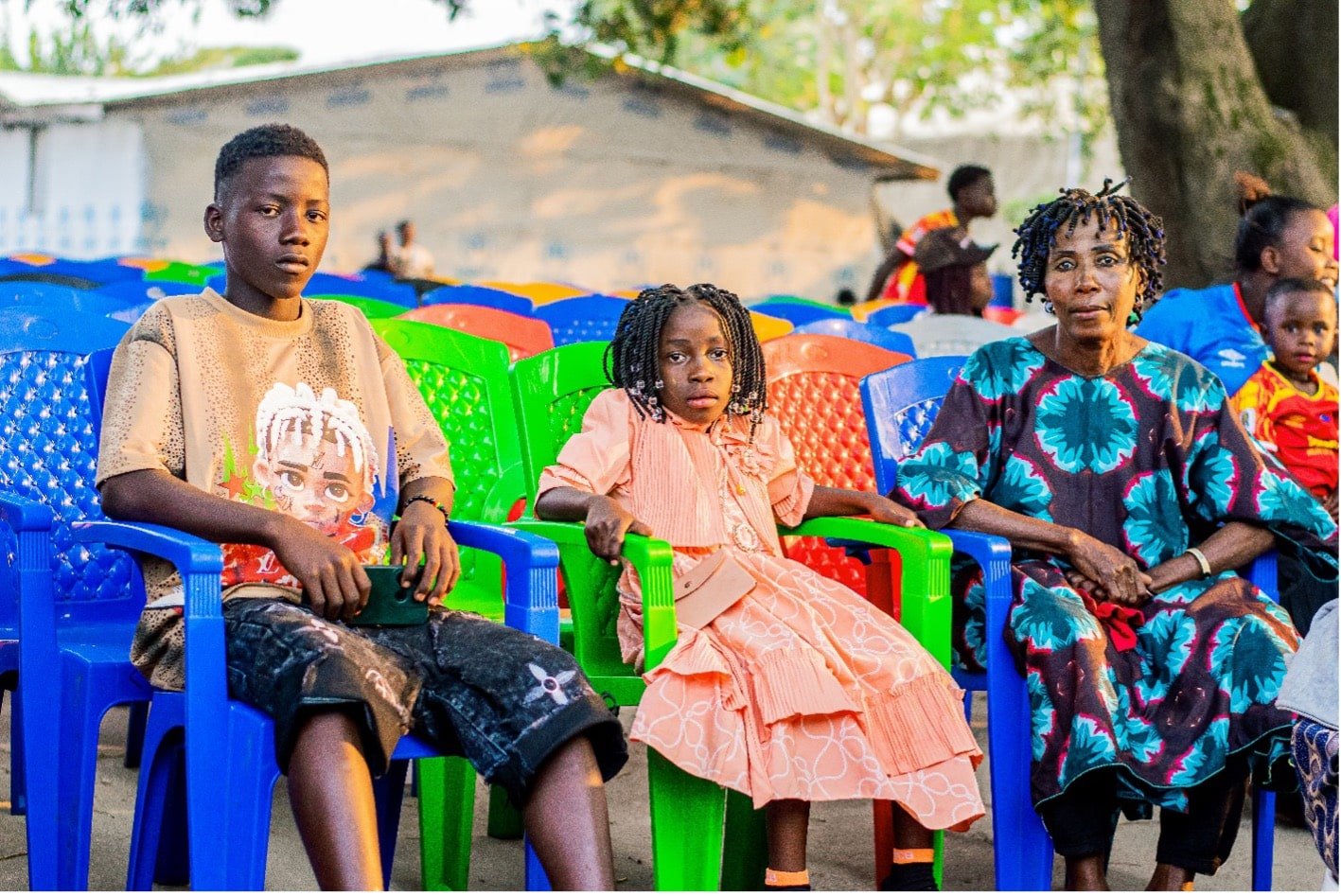
July 30, 2026, will remain a memorable date for Tabwe Elalie and 1,099 of her compatriots: after months of exile in Burundi, they returned to their homeland, the Democratic Republic of the Congo. Among them, Elalie was chosen to represent the community during the official handover ceremonies organized between the Burundian and Congolese governments. For this 56 year old woman, the role was more than a formality: touching the national flag for the first time was a deeply emotional and meaningful moment.
Coming from the Busuma refugee site in Buhumuza province, Elalie had fled the insecurity that struck her village of Luvungi and separated by the family of her 8 married daughters. Like many others, she found precarious refuge there, torn between the hope of return and the daily fear of an uncertain future. Accompanied by her two grandchildren a 16 year old boy and a 5 year old girl she recounts the crossing and the wait with a voice that mixes relief and painful memories. “Joy overwhelmed me,” she says. “I was anxious at the thought of seeing my children again, but determined to return after this long exile.”
The journey back did not erase months of hardship. Reinstallation still poses many challenges: finding safe housing, rebuilding community ties, accessing basic services, and ensuring schooling for the youngest. For Elalie and her family, the prospect of reintegrating into their community is both a promise and a heavy responsibility.
The 16 year old grandson, who grew up away from his country, must now reestablish an interrupted education and adapt to a different social and economic environment. The little girl, meanwhile, is finally discovering the streets, sounds, and smells of the home she remembered only in fragments.
This return was made possible through coordination and support from humanitarian and institutional actors. The United Nations High Commissioner for Refugees (UNHCR) organized and accompanied the repatriation, ensuring protection and the procedures necessary for a safe and dignified return. AIRD provided tangible assistance on the ground: distributions of non food items, shelter kits, and essential food supplies for the first days after return. These supports helped ease the immediate needs and gave families a starting point to rebuild their lives.
For Tabwe Elalie, these acts of assistance carry deep meaning. “Thanks to God and the humanitarian aid, we have overcome the incomparable,” she says, expressing gratitude and hope. This return marks the end of a painful chapter and the beginning of a long process of personal and collective reconstruction. Local associations, Congolese authorities, and international partners must now combine efforts to turn this return into durable reintegration: access to land, psychosocial support, economic recovery assistance, and schooling for children.